Sunday, October 29, 2006

Bummed


Rose didn’t want to go to Philly.

But her older sister, Megan, was a mess. Really. When Rose got to Philly, Megan wouldn’t open the door. Megan looked out the window and laughed hysterically and said, Who are you? Go away!

Rose had to get the key from its hiding place under the big urn on the front step.

The urn used to hold their father’s ashes. After they dumped his ashes in the river, Megan used the urn to grow flowers: marigolds, impatiens, whatever seeds she ordered from a catalogue. Different flowers different years.

How did you know the key was there? Are you really Rose, or a lookalike?

Megan, don’t be silly. It’s me. The same sister you’ve had forever.

You can’t be the same. You shed your skin every seven years. The cells replace themselves. Something like that,.

Megan was high. Rose smelled the pot. The house reeked of marijuana. Rose couldn’t have been more exasperated.

Now that Rose was in the house, Megan sat down on the couch again. She said Rose could stay if she wanted to make some coffee, but she was busy right now. Megan sat in her bathrobe reading an article about Jacques Chirac, the president of France.

Did you know “Chiracophobia” is the new national sport? she asked.

Rose yawned. She had never heard of Jacque Chirac. She didn’t keep up. The last time she had been in France had been after she gave up her baby for adoption when she was twenty-five. She flew to France, traumatized, crying all the time, and went on a bus tour because she thought it might help her recover from depression. One day she broke down at a cafe when she saw a woman with a baby. A woman on the bus tour, a housewife from Oregon, had comforted her. It was kind of you to give away the baby, she said. So many have abortions. Women go through so much: in vitro fertilization, flying to China and South America to adopt. And you went through so much: a pregnancy and giving up your child.

France was forever associated in Rose’s mind with that summer.

Megan read the newspaper obsessively and wrote letters to the editor, which sometimes got published. A letter to the editor in The New York Times was a bigger deal to Megan than her son’s published journalism. Today she was writing a letter, stoned out of her mind, asserting that it was unnecessary for the reporter to use adjectives like “charming” and “debonair” to describe the president of France.

When I read the newspaper, I don’t want to read pop fiction. I don’t care about the writer’s opinion. If I want to read the writer’s opinion, I’ll read the editorial pages.

Megan looked at her notes with satisfaction.

Megan wanted to stay home. She didn't want to go back with Rose to her hick city for Thanksgiving. If she couldn’t stay home, she wanted to join a convent. Yes, really, she wanted to be a nun. She couldn’t get out of her bathrobe, she couldn’t get out of the house, she couldn’t stop writing about articles she read in the local paper..writing down the main points in a small notebook. She could join a convent and pray all the time in a barhrobe--well, a bathrobe-like outfit. She had found a convent in the phone books two days ago and ended up talking to someone named Sister Madeleine, who told her she would have to go to school first.

Megan was bummed.

Rose cleaned the house. How can you live like this? she bitched. She did the dishes. The table was covered with newspapers and Kennedy memorabilia, old magazines with JFK and Jackie on the cover.

Megan felt exhausted, watching Rose clean. Megan felt fat, looking at thin Rose. She hadn’t been out of the house in...months? She did all her research in books and newspapers she had around the house or books her son got at the library. He was a journalist: he found all kinds of things for her on the computer.

Her history of the sixties was coming along.

Rose, I’m writing about Jackie Kennedy Onassis. Look at this gorgeous photo of Jack and Jackie cutting the wedding cake. That was the American dream. Gorgeous people, the first Catholics in the White House, Jackie on TV, giving the nation a tour of the White House.

Jackie was all right. You can work on your book at my house. We have every book you can need. We’ve got the MacDonald books and the latest novel about Jackie O. by the British writer...Whats-her-name. We can sober you up.

I don’t drink.

Yeah, but agoraphobia is a problem. You can take Prozac or something, you know.

Prozac! Megan laughed giddily. What’s the difference between pills and pot?

Mom is worried. Please come for Thanksgiving. You can leave the day after.

Well... Megan couldn’t stop laughing. Just let me finish this letter and we’ll see.

I’m packing your clothes, Rose said. Swearing under her breath, she went upstairs to Megan’s bedroom...clothes everywhere...and packed what she thought she'd need: a dress for Thanksgiving, stockings, underwear.

Megan had been prom queen in high school. Look at her now.

Rose got on the phone and booked their flights. She was surprisingly angry. She didn’t mind taking care of most people, but Megan was wasted.

She was going to make Megan smoke her pot outside in the back yard, so help her God.

Thursday, October 26, 2006

Missing Out


November was the gloomiest month of the year.

“That’s why I was born in it,” as Jo said in LITTLE WOMEN.

it was November. The sky was dreary brown and the branches were bare. Sometimes it snowed. Nobody wanted to go outside. People stayed inside on their lunch breaks and watched DVDs or played games. Sometimes they played cards, other times they brought in old board games like Monopoly. The most popular game right now was Missing Link, which Kent had found at the game store.

Rose didn’t play games. She was too busy, too worn out. On her lunch break she often read the newspaper or went out for coffee. She was on antidepressants again. She didn’t like to take pills, but her doctor insisted. She took naps after work and made sandwiches for dinner instead of gourmet one-pot meals. Dorrie understood what she was going through.

I’m always on anti-depressants, Dorrie said. I wish I slept better.

Don’t the pills knock you out?

No. I think they keep me awake.

At Rose’s office the women were having a Louisa May Alcott revival. Somebody (one of the architects) had reread LITTLE WOMEN for a mother-daughter book club. Somebody (whose name was Atlanta, named after the city, a woman whose mother had never stopped missing the South, hence the name) told Rose it was the best book she had read that year, almost as good as Caroline Gordon’s novel about the Civil War from the Southern point of view.

The women at the office all loved LITTLE WOMEN. They even loved the different versions of the movies: Katharine Hepburn, June Allyson, Winona Ryder.

Let’s reread it togeter and have a discussion party, said Atlanta.

Oh, fun. It was my favorite book when I was a child, the secretary said

I didn’t read it till I was eighteen because my mother pushed it so hard but then I loved it, another woman said.

We’ll all read it, the secretary said. What she said went. She bullied Kent and the frisbee guy and told them they’d be reading LITTLE WOMEN with the rest of them. She went to Barnes & Noble on her lunch hour and bought them copies. You owe me $6.95, she said.

What am I supposed to do with this? Kent asked.

I’m not reading it, said the frisbee guy.

We’re all reading it, the secretary told them. She gently bopped Kent on the head with the paperback.

Ouch. That’s a thick book, he said. I never could get through that Barbara Taylor Bradford thing you tried to make me read.

We love Barbara Taylor Bradford, they all chimed in.

Truly they did. There were days when they wanted to sit around and read the Harte saga, six best-selling novels about the self-made Emma Harte and her descendants, owners of a dazzling, glamorous department store. They didn’t want to read classics every minute...expecially at work.

Atlanta told Kent patiently, Louisa May Alcott is not at all like Barbara Taylor Bradford, except they both have three names.

Kent said he had other things to do besides read women’s books.

After work Rose went to B&N and found a paperback of Alcott’s adult novel, WORK. She went home, slept in her stretch velveteen pants and sweatshirt, and then got up and called her mother.

Mom, how are you?

Just fine. I went to a great sale and bought a cashmere hat for $5.

Can you do me a favor? Can you send me my old copy of LITTLE WOMEN? The women at the office are going to discuss it.

That’s a very old edition, Rose. I have to keep it for you and your sisters.

You know Megan and Abby never read it. They won’t miss it, said Rose.

Well, I could send you another one. Did you know the Library of America published three of Alcott’s novels?

Don’t bother, Mom. I’ll get a paperback.

Rose went downstairs and began to read Alcott’s WORK. It had been several years since she had read it. She loved Alcott. It was one of her favorite 19th-century novels. But few bothered with Alcott’s adult books, even though WORKwas quite good.

Only women read Alcott. Ben refused to read Alcott. They all knew Kent wouldn’t read her. It was just a joke.

Why would men never read Alcott?

The men Rose knew didn’t read much. Ben read only Shakespeare and the newspaper. Kent read the newspaper and books about the history of furniture (he collected ugly English barley twist chairs, 18th century Gustavian benches, etc.)

Women read Alcott over and over again. She meant something special to American women. Katharine Weber had written a new version of LITTLE WOMEN, THE LITTLE WOMEN, which Rose had enjoyed. Geraldine Brooks’s March, a novel about Mr. March, had been less good, but had won the Pulitzer Prize.

The men were missing out.

Tuesday, October 24, 2006

What If...?


“What if you built a machine to predict hit movies?” said the subhead of an article in THE NEW YORKER.

What if the anti-Christ lived? Rose thought.

Rose didn’t want to read the article. She was bored. She had the lunch hour to do anything she pleased in. She didn’t like to go out for lunch because the food in restaurants was unhealthy and tasteless. She took a cup of coffee from the breakroom. No one was around. The frisbee golf guy was out with Binkie, whom she had brought to work. The dog had seemed lonely. The dog loved to play frisbee. Sometimes she had to bring him to work when he was lonely. The place was deserted. Sometimes she knitted with the secretary, but the secretary had gone out shopping.

Rose sat on a bench, drinking coffee. Her hands were chapped. She took out her jasmine hand lotion and rubbed it onto her hands. The skin smoothed out. She looked at the ingredients. There was no jasmine in it. Why did they call it jasmine?

The sun shone. She could not get warm, though. She put her hat on. A very old “mod” hat she had bought years ago. It looked quite silly, but someone had once tried to steal it at a movie theater.

The telephone company men walked by on their lunch break. They smiled, looked happy, and carried brown-bag lunches. She didn’t usually see them out of their trucks.

Rose felt...cold. She put on her gloves. She couldn’t turn the pages of the magazine. She took them off again.

Before she read the article, she looked at the illustration. A guy at a computer keyboard held a lollypop against an arrow. No, it wasn’t a lollypop. It was a knob. The knob on the arrow was stuck at $50,000,000. The guy wore a green shirt, blue jeans, and boots, and a colleague to his right, also wearing jeans, held a clipboard. The movie they criticized centered on a man in a suit holding a recently-fired gun while a woman with a champagne glass and a cigarette smiled at the legs and boots of a corpse.

The legs and boots of the corpse were...the legs and boots of the man behind the computer. Which one? The codebreaker at the keyboard or the codebreaker with the clipboard? Probably the man with the computer, since the illustrator does not show the shoes of the man with the clipboard. Rose loved the illustrator's way of spitting at the computer’s neural-network system.

Rose hated machines. No machine would ever predict a good movie. A hit movie, maybe. Not a good movie. Over the summer she had seen YOU, ME, AND DUPREE (trash) and THE DEVIL WORE PRADA (sub-trash). A neural-network system. Had the neural-network system considered these movies good or bad? She had thought them awful. Everyone praised Streep in THE DEVIL WORE PRADA, but Rose thought her performance too actress-ish. She never seemed natural, never got inside her role.

Put Meryl Streep in a movie about Vogue magazine and it gets good reviews.

So why build a machine?

She hated the article. A guy named Copaken wanted to discover emotional triggers. Why would a person cry or laugh at a particular scene in a movie? His company Epagogix hasd analyzed thousands of movies on an artificial neural network. The computer treated screenplays as mathematical forumulae. Its predictions were based not on a whole script, but on a couple of paragraphs.

Rose was sure her sister Megan in Philly had already read this article and canceled her subscription to the video store.

Rose thought she might stop seeing movies, too. The article made her ill.

She went back to the office. Read this, she told the secretary.

The secretary came into her office and threw the magazine onto her desk. She made a gagging motion. Ugh!

We should protest...write a letter or something, Rose said vaguely.

I’m on it, said the secretary.

It was a slow day.

Rose ended up writing the letter. "This is America's brain...this is America's brain on an artificial neural network."

She didn't bother to send it.

Sunday, October 22, 2006

Oatmeal Cake

Rose made oatmeal cake. Nutritious. She was eating it instead of dinner. She wanted a nice easy night when she didn’t have to worry about anyone: she was worn out by Dorrie, the Japanese businessmen, and now her older sister in Philadelphia. Rose planned to eat oatmeal cake while she watched THE AMAZING RACE.

The oatmeal cake was delicious. She discovered it by accident on the internet. The artificial food in photos looked so much better than the real thing. The photograph of the oatmeal cake looked like German chocolate cake: she decided she had to have some.

She didn’t bother with the topping. She and Ben liked it without.

Rose was a cake eater. Rose took care of people. She hadn’t planned on doing either thing. She’d planned on spending the weekend seeing Sofia Coppola’s movie about Marie Antoinette and reading Caroline Weber’s fat biography, QUEEN OF FASHION. She liked the idea of an obsession with Marie Antoinette, the queen of luxury. Parties, shopping, million-dollar homes, eating cake, dances, the Tommy Dorsey Orchestra...well, not the Tommy Dorsey Orchestra...Ben didn’t like Dorsey.

What would she do about her older sister Megan?

Megan, on the phone, was paranoid. She didn’t like to leave the house. She read newspapers and mysteries and watched the TV news all the time. She knew about North Korea’s nuclear ambitions, drunken drivers, and the fraud and conviction of Kenneth Lay, the Enron executive who died in July. She talked about all these events to Rose and didn’t say anything personal.

But what are you doing, Megan? Besides keeping up with the news.

I read mysteries.

Megan was reading sixties mysteries and spy books. She had read all of Le Carre and Fleming and was now reading John D. MacDonald’s mysteries. She said MacDonald understood the way the world worked. She couldn’t understand how he knew the stuff he knew about road contracts, government, big business. What his background was.

Look it up. Just go to any library database and look him up in Gale.

I don’t want anyone to know I read his mysteries. He’s probably considered subversive.

Subversive? They’ve got his books at the library. He can’t be that subversive.

The librarians in Philly are subversive.

Rose laughed. Well, they aren’t here. We’re very dull here.

I just don’t like to go on the internet.

Rose had looked up the articles about John D. MacDonald at a library database and mailed them to Megan because Megan was so paranoid. Megan had never even used the online gift certificate Rose had given her. She didn’t want anyone to know what she bought. She hated all computers.

Have you read Kathryn Davis? Her novel about a book unraveling on a computer? Megan asked.

Rose said she’d have to look for that one. She added, I don’t understand what you’re doing. Why don’t you go back to work? I see ads for dietitians.

People don’t stick to the plan. It’s a complete waste of time. No, I’d rather stay home and read the news. It’s fascinating. I could write a book. I’m researching the sixties. It’s all lies what they tell us about that decade. John D. MacDonald has more to say than some historians.

Megan! Rose laughed. The Travis McGee books?

Megan was annoyed. Rose could hear it from hundreds of miles away over the phone wires. Megan said, His detective, Travis McGee, is a radical. He's a social dropout who lives on a houseboat. He empathizes with the freaks and hippies of the ‘60s, though he believes they’re mistaken in choosing not to think. He says there won’t be any people like him in the twenty-first century, and he’s right.

What about you?

I don’t live on a houseboat, Megan said gloomily.

Are you okay? Do you need anything?

Rose, I’m fine. I’m just...not like you.

Saturday, October 21, 2006

John D. MacDonald

The sixties: fun, fun, fun. Not so much fun. Not just American Bandstand and pop tunes. Rose’s sister hadn’t danced all the time.

Politics, JFK, LBJ, Martin Luther King, the FBI, civil rights, the Vietnam War.

Rose’s sister had grown up in the sixties. She had gone to the Democratic convention in ‘68. She had slept with a member of the Chicago Seven. She had not been called to the trial, thank God.

She had gone to concerts. Local concerts...not Woodstock...people overdosed... went to tents for medical help...nobody got busted...Rose’s sister hadn’t taken drugs.

She had worn frosted lipsticks and eye makeup like the women in John D. MacDonald's Travis McGee mysteries, which she still read.

She sat around the house. She and Rose had the same tendency to sit around the house. She had trouble getting out of the house. She had opted for early retirement and now sat around in her bathrobe for days on end. Her children who lived in town came over in the evenings to play cards with her. Sometimes they played old board games.

Paperback mysteries bedecked the shelves. She loved MacDonald's rant about San Francisco in THE QUICK RED FOX (1964):

"San Francisco is the most depressing city in America. The come-latelys might not think so. They may be enchanted by the steep streets up Nob and Russian and Telegraph, by the sea mystery of the Bridge over to redwood country on a foggy night, by the urban compartmentalization....

"But she had lost it, boy. She used to give it away, and now she sells it to the tourists. She imitates herself. Her figure has thickened. The things she says now are mechanical and memorized. She overcharges for cynical services."

Style as comedy. Rose’s sister understood that. She marked this passage in her paperback of John D. MacDonald’s PALE GRAY FOR GUILT.

“Mary Smith was at that daring outer limit where style becomes comedy. There was more eye makeup, and the mouth more frosted. She wore a gray sweater with a great deal of complex stitchery and welts and seams. It came down to within six inches of her knees. Showing under the skirt were sheer blue stockings that were a perfect match for shoes with stubby heels and high, stiff tongues....Her gloves and purse matched the eggshell hat.”

She felt like...Mary Smith. A fashionable secretary who had been a member of the boss’s retinue. She had seen and done things in the sixties, better unspoken of. She had helped the boss get ahead by sleeping with the men with whom he did business. People slept around then. Her morals had changed as she got older.

Like MacDonald’s women, she had taken the Pill until feminists evangelized alternatives. The sixties was the age of science: the Pill, men on the moon, and frozen foods. Women took the Pill. Other birth control forms were rejected. Feminists used the diaphragm and the IUD.

How many pills did she take now? A post-menopausal woman, she did not need a diaphragm any longer or take hormones. She was healthy. Knock wood.

She sat around the house reading old mysteries, appreciating Travis McGee and his friend Meyer and temporary girlfriend Puss, wondering where MacDonald had gotten his ideas. What was his background? She could look it up on the internet, but she was tired of the internet. The internet was slow. Anyway, did she want people to know she was looking up John D. MacDonald? Records were up for sale; privacy was dead. Did it matter if she looked up John D. MacDonald? Who would care? MacDonald was rebellious. He wrote effective harangues about the future. What would he have made of the internet?

Rose and Ben used the computer all the time. They told her she was paranoid.

Come for a visit, Rose begged. You haven’t been here in years.

Ben liked Rose’s sister. He said, Please come to see the production of RICHARD III.

She needed to leave the house first. Go out in the yard.

She needed to look up John D. MacDonald on the internet first.

Friday, October 20, 2006

The Patrician

Rose was tired. She hadn’t gotten to sleep till five in the morning.

She drank strong coffee. Her hands were cold. The coffee cup helped. She held it in one hand, typed with the other.

In the office Rose pretended to be a patrician in ancient Rome. She had a house with a colonnade and an atrium. A fountain, of course. That went without saying. She imagined herself on the steps of the Temple of Castor, near the Senate and the Basilica Julia, looking at the galleries of shops. She had refused to travel in a litter. She wore her himation, or palla, a rectangle of cloth that could be draped over one arm. Her hair was elaborate, curls in front and plaits spiraled at the back (“the glory of women’s lofty front, her storied hair,” as Statius said). She wore white lead pancake, rouge, and black eye makeup. Under Augustus’s reign, the ius liberorum (law of children) was passed to emancipate freeborn women with three children and freedwomen with four children from men’s legal guardianship and allow them to transact business.

Rose would have been such a woman. She would have built amphitheatres, insulae, and temples. She was such a woman. She was transacting business.

Only the fertile matrons were freed. The fertility thing bothered her. Martial wrote about the ius liberorum:

Di bene quod sancto peperit fecunda marito
quod sperat generos quodque puella nurus.
sic placeat superis ut coniuge gaudeat uno
et semper natis gaudeat illa tribus.

The emphasis for patricians was on reproduction because of the falling birth rate. Augustus eventually passed laws that encouraged patricians to marry, have children, and stay married: the “less lust, and larger families” laws Cicero had favored during the Republic.

In the twenty-first century population control was needed.

The office was bleak. She felt like a vampire. Garlic, crosses. She couldn’t get warm. She felt like going to church. It would help her to see the priest, the nuns, and Dorrie, praying, kneeling.

But she was preparing a presentation for the Japanese.

She would present this on her laptop computer at the coffeehouse where she was meeting the businessmen. They could watch the presentation on their own notebook computers instead of the screen if they preferred. They would prefer. They had every gadget. They didn’t have to meet with her. She could e-mail the whole thing. But they liked to get together. They would sit in the reserved room, drinking coffee, eating cake considerably less delicious than what she could make at home.

She and the Japanese spent a lot of time together. Her boss, Kent, didn’t have time anymore. He was engrossed in helping Ridding at Troy-Ridding. Ridding’s partner, Troy, the marijuana architect, was in the news every day. He said growing marijuana was his hobby and that he had only dealt to friends.

A hobby. What kind of hobby was growing marijuana and dealing to friends? Hubristic. Troy was so vainglorious that he went out into the street and gave the baggies to customers in their cars. It never occurred to him that anyone would call the police.

It seemed the whole architecture system was in a mess because of Troy. Contract bids got passed around...it was usual for firms to take turns. Rose could hardly believe it.

I think he goes to prison, the Japanese said. How many plants did he grow in his house?

A thousand? guessed Jennifer.

They roared with laughter. And how many pounds of marijuana did he have in his refrigerator?

Several?

And laced with what?

Laced?

Yes, laced. We saw it in the paper, they insisted.

The architect with the marijuana. The Japanese thought it was hysterical.

Rose pretended to be a patrician in ancient Rome.

Thursday, October 19, 2006

Pillow

In the dream Rose balanced a pillow on her head. Books on head: that was traditiional, the way you kept your back erect. But all the books were burned. Instead she took an inflatable pillow out of her knapsack. The phantasmal flames of the bonfire could be seen for miles and a diaposon of pops could be heard.

Pop pop pop!

Then a dictionary page, glazement to glissade, flew through the air. She grabbed it and read it. Glen plaid: a plaid pattern of muted colors or of black or gray and white...

Rose woke up thirsty. She didn't feel sagacious. She pulled on her robe and went to the kitchen and poured a glass of cold water. Binkie lapped the bottom of her cup. Then she went into the living room, plopped on a pillow.She had kingsize pillows everywhere, covered with embroidered pillowcases she had made herself.

If she could think of something to do...she was tired. She looked at the Tarot cards, frightened herself, then started to memorize the cards for a trivia game. If she memorized the answers, maybe she could finally beat Ben and his friends at Cutthroat Trivia, which they played on Friday nights. Why hadn’t she thought of that? What’s the definition of glazement? What does glissade mean? She made up “glazement.” Does it mean...to glaze windows? Gl.. words. So many gl... words. Her category was gl...words.

Tarot. Always a bad game. She had once paid a woman who claimed to be a bona fide card-carrying coven witch to tell the future. Tall dark strangers, trips to Europe, success, a brownhouse in New York and a country house on the Hudson River (not the Hamptons). None of this had come true. Ben was blond. New York?

Tonight..this morning...the tarot cards had nothing to say to her.

Then she decided to buy a new pillow. Her bed pillow was old and flat. She knew that people did replace pillows. For some reason she never did. She read about pillows in the Lands’ End catalogue: “With a synthetic pillow, put a shoe on the folded pillow and let go. The pillow should throw the shoe and spring back into shape.”

Pop pop pop! That’s what she wanted. A pillow that popped.

Her head crushed her standard-sized bed pillow and it didn’t pop back into shape.

Rose opened the drapes and looked out the window. It was still dark. She lay on the floor and tried out one of her king-sized pillows, glad that it supported her neck and shoulders. The pillow was plump and stalwart. She covered herself with a blanket. It was freezing in the house. Under the blanket she shivered. If she turned on the heat, it would wake up Ben. He had to sleep in a cold house. In winter the heat was down, in summer the air conditioner blasted. It was like living with a vampire.

She gigled. If she turned on the heat it would wake him up in his coffin.

She imagined a world where she and Ben were vampires. Easy enough to do. There was something vampirical about people these days anyway. They had that kind of just-woke-up-out-of-a-coffin-and-wouldn’t-be-caught-dead-in-anything-except-black look.

She decided she didn’t need to buy a new pillow. She could use this one.

“The right pillow is key to a restful night’s sleep,” Lands’ End declared.

Was that like...The Right Stuff, she wondered.

She had watched the DVD of THE RIGHT STUFF with Ben.

Whatever happened to the right stuff?

The sun came up. She went back to bed. She slept on the king-sized pillow and didn’t awaken until the phone rang. She was late for work.

Wednesday, October 18, 2006

Rose in Male Dress

“It was thus with some surprise that the Bishop of Beauvais learned that the prisoner was to be seen in her male dress again.”--SAINT JOAN OF ARC, by Vita Sackville-West

Rose read Vita Sackville-West’s book about Joan of Arc. She thought she had never read anything so good. It was good to read something first-rate after Dorothy Whipple’s books.

Jennifer was gone. Gone as a gun moll. Gone as a gravestone. She had not died. But she faced a prison sentence. She called Rose repeatedly from jail.

Jennifer was a bitch, a woman who was looking for victims. Rose had found out that Jennifer wasn’t in sales at all.

The police caught Jennifer smashing the window of a mail truck. She stole the mail. For a good time... The mail carrier saw her down the street. The woman didn’t need to steal. She had money. Her house was full of stolen goods: a jukebox, valuable tables and cabinets. She tried to buy the mail carrier off, but the police came and took her away in handcuffs.

Jennifer said it was because she had cancer. She said she was out of her mind from the medication. She wanted Ben to be her lawyer.

Ben refused. He said to Rose, That woman has used you. God knows why.

Rose had never been so upset. She had met Jennifer at a church sale. Everybody had been at the church sale: the nuns, Dorrie, her boss, Ben, her colleagues. It was their church, the cathedral. She loved the cathedral ceiling and the decorative cathedra with carvings. She knew the priest. Sometimes the priest attended orchestra concerts with them. He knew everything about classical music.

The homeless people were there. People bought them clothes.

Rose had not suspected anything was wrong. Jennifer was a Sybarite who dropped names and spoke of what she bought.

Talk talk talk talk...

Rose’s manner was hieratic. She didn’t swoon over Jennifer’s personality.

Jennifer was sort of a friend, sort of an enemy.

The book group was all right, she thought. How Jennifer had gotten into that she couldn’t imagine. She supposed she had met one of the women at a supermarket or something. She decided Jennifer was a rich woman who amused herself with people, travel, parties.

All those stories. The Beef Association Dinner with Bush? The Monica Dickens Society meeting with the famous actress? Getting her to heat up a can of soup at dinner the other night?

How had Ben known she was faking?

Were any of her stories true?

Ben knew people. I’ve known some Jennifers. You think they’re sort of your friend.

She didn’t really steal from me. Well...except some of my clothes, Rose said. She borrowed a dress that was way too big for her. I don’t know why she wanted it.

Probably to plant it somewhere so it would look like you did something she did.

What? Rose laughed. No, no. She couldn’t be that bad.

She could. But you’re relatively safe. You see, she’s not like Dorrie. Dorrie will borrow clothes and blankets and you’ll get them back if you need them. But this woman does it for the sake of doing it. She’s a rich woman who is also some kind of a criminal. A sociopath.

“Her own absolute faith was the secret of her strength.” Yes. That comforted Rose. Saint Joan of Arc.

Tuesday, October 17, 2006

Stitch

The mattress was covered with a new blanket Dorrie had borrowed from Rose. It was her favorite color, orange, and it looked good under the lamp.

Dorrie was now playing Queen Margaret and Clarence in the play. She knew the lines. She knew the whole play. She sat wrapped in her new blanket, reciting,

By heaven, I think there is no man secure
But the Queen’s kindred and night-walking heralds.

Dorrie sat in her room late one night when the noise was loud, gunshots, voices, and was frightened. She wrote a poem. There was no one to take care of her. Only Shakespeare. The effluvium of Shakespeare could so easily become a demiurgic poem. Night-walking heralds. Security. Queen’s kindred. It was the night-walking heralds who would do you in every time. She looked out the window and saw the night-walking heralds, neighborhood drug dealers, barreling down the street.

Emporium of adjectives and verbs!

Her poems were...words borrowed from Shakespeare. Brooked imprisonment, patience, enemies.

The gangs were not always of her race. The dealers of other races hated her the most. She had brown hair and pale skin, the crooked teeth of the old aristocracy. The white drug dealers talked to her. Greetings and salutations! Sometimes they offered to sell prescription drugs at cut rates.

I get those from my doctor, she said vaguely. Not enough, of course. The government pays for only half the dose I need.

We can get it for you cheaper.

No, thanks. I’m too old to buy drugs.

She walked around the neighborhood, a witness to the deals. She caught whiffs of marijuana from porches. Other drugs, who knows what.

It was Wolf of Cry Wolf Books who told her about the gangs. Don’t go there, he would say. It looks like a park, but I’ve walked there. I’ve seen terrible things. Get out if you can.

Dorrie paid little attention. She walked where she walked. She wasn’t sure what Wolf really knew. He was an ex-policeman. He seemed scared of everything. She knew the people in her neighborhood and they knew her.

Wolf seemed like an actor to her. He reminded her of someone. Sometimes she thought he was really there to keep an eye on things. An ex-cop? Maybe. Maybe something else.

He had this obsession with Ed McBain. Other detective novels, too. Cop novels were popular. He also bought ‘30s and ‘40s "cozy" mysteries at estate sales and sold them to suburban women.

I would never read Agatha Christie, he said coolly.

Oh. Why not?

Dorrie didn’t read mysteries, either, but she pretended to. Everybody in her apartment building read mysteries. Dorrie sometimes bought a few when she was depressed and gave them to her neighbor. Her neighbor, always drugged out on something, usually heroin, was in stitches over Agatha Christie. Agatha Christie’s world seemed so safe compared to theirs.

No, this is too much. I’d like to see Hercule Poirot and Miss Marple here.

Dorrie barely knew who they were. She had skimmed one or two to be polite. She usually said something in French, her imitation of Poirot.

One night at rehearsal she was poring over an Agatha Christie, something about anonymous notes and hoaxes.

What are you doing? We’ve got stuff to do, Ben said, annoyed.

Yes, sir. She was irritated.

Ben didn’t want her in the play. He especially didn’t want her to play two parts in the play. But he had decided it was too much trouble to take over Clarence’s role. He had too much on his mind.

I didn’t mean to snap. I’m worried about the election. And Rose says she’s not voting.

Dorrie said it didn’t matter. The drug dealers were all voting.

What? He barked with laughter.

They care about this one. I know the signs.

You’re wrong.

Tell Rose.

Why does it matter? She’s not on drugs.

She’ll laugh. And wonder. And then she’ll vote. It’s psychology.

Monday, October 16, 2006

Don't Vote


Rose betrayed the suffragists. She had always voted, proud of women's suffrage.

Now she couldn't take the politicians.

I‘m not voting for any of these assholes, she said.

Ben was appalled. He even voted in primaries. He had been president of his class.

You don’t mean it.

Oh, I mean it.

She meant it. This year she watched stupid men and women on TV and no longer cared.

She was sick of cantiferous senators and congressmen who as far as she could see did nothing. The war went on. Corrupt lobbyists made connections with the White House and somebody resigned.

So much corruption.

The gubernatorial candidates talked about their families. Who cared? Issues, issues, issues. What were the issues? No one talked about the war or the economy much. They talked about immigration. So the guys at Arby’s couldn’t speak English. What were they going to do about it? Ship them back? It was an unimportant issue.

She didn’t care about illegal immigrants. Yes, that was deleterious. She knew it should matter. They mattered, they marched, they looked like J-Lo, they debated with conservatives on TV. Why were they here? Were they all refugees from dreadful dictatorships? Small businesses needed the cheap labor? Small businesses should or shouldn’t have to pay a fine on them? What about big businesses? Why was everybody learning Spanish? But no, she didn’t think they should build the Berlin wall.

As if it would come to that. Congress and the Senate did nothing.

Why were the gubernatorial candidates discussing immigration? THAT WAS THEIR ISSUE THIS YEAR! That and math and science in the schools! Occasionally stem cell research was mentioned.

The news was bad. The war in Iraq. A nuclear test in North Korea.

A baseball player crashed his small plane into a New York skyscraper.

Just another crash...like 9/11...like John-John.

In 2004 she had urged friends to vote. It had seemed important to her. She had not understood people who said it didn’t matter. They had said there was no difference between Democrats and Republicans.

She had spent so much time on the phone, trying to get the vote out. She was a volunteer.

And now...what had happened?

She saw a flatness that she hated. It had not been this flat before. Wrecked. Party politics. Hatred everywhere. She thought of Doris Lessing’s Martha Quest, disillusioned with the Communist party.

She had never been a Communist. A socialist maybe. In the McCarthy era, she would have been witchhunted for standing up for the hunted.

People didn’t stand up. They slouched.

Harold Pinter’s fuck-you poem to America about the war.

She was disillusioned with the U.S.A.

She was not a citizen of the U.S. anymore. She resigned. But to whom did she resign? She lived here, she worked here. All she could do was...not vote.

It’s official, she said. I am a citizen of my own mind...the body sung electric by cell phones in ways never imagined by Whitman .

Small Talk, Whipple, Oncology

The best description Rose ever found of small talk was in Dorothy Whipple’s THE PRIORY.

“The little battery of small talk ratttled hollowly in the great room where the random chairs and sofas seemed to have been arrested in the act of skating over the polished floor.”

Dorothy Whipple knew about small talk. She wrote about the small things in life. She wrote about the details with humor and wit. Nobody read Whipple anymore. Except Jennifer. Jennifer had found out about Whipple from an actress at a Monica Dickens Society tea.
The two had hit it off: they sat in a corner and talked about their favorite writers, writers nobody else seemed to read.
The actress wasn’t snobbish, Jennifer told them. She wore a plain sweater and skirt. Black, of course. With pearls. The handbag was fancy, though it was something from Saks, not a designer. The actress read Dickens’s books over and over and also liked Austen and Whipple. She belonged to several literary societies so she could go to conferences.

There wasn’t a Dorothy Whipple Society.

You must read Dorothy Whipple, said the actress. I’m having a Dorothy Whipple tea. That’s how much I like her.

I don’t get to New York often, said Jennifer.

But she wrote down Whipple’s name and ordered her books.

The talk got smaller and smaller. Smaller every day. Jennifer got smaller, too. Small like an actress or a model.

Everybody was afraid...

She couldn’t eat. She came to Rose’s house for dinner and ate a few bites and then asked for soup. Rose heated the can and watched her sip a cup. Later Jennifer threw up in the bathroom.

Are you taking your pills? asked Rose.

Pills. What a joke, said Jennifer.

Ben drove Jennifer home. He gave Jennifer a pep talk. He told her she had to take care of herself. He didn’t like to see Rose upset. He asked Jennifer take her pills before she came over or stay away.

Jennifer cried, shocked.

Look, I don’t want to see my wife hurt. I know your oncologist. Don't upset her deliberately.

Don’t worry. I’ll leave Rose alone , Jennifer said angrily.

Why are you always.. tangled up in blue? Ben asked Rose later.

Don’t sing. I hate that.

You hate Bob Dylan?

Sure. There has to be something better than Dylan. That woman is dying.

What’s better than Dylan? She should listen to him. So should you, Ben said grimly. And you should know...she’s not dying.

She seems to be. She’s got a 70 percent chance of dying.

Her doctor at the cancer clinic thinks otherwise.

What do you mean?

Didn’t she tell you? The oncologist, who happens to be a good friend of mine, told me she’s improved.

Sunday, October 15, 2006

Dumbbells


Rose curled. She lifted dumbbells.

She had spent the day reading Dorothy Whipple’s SOMEONE AT A DISTANCE.

They were reading it for the book group. Jennifer, the woman in sales, needed a good women’s novel, something light.

Let’s read Dorothy Whipple, Jennifer had said. I’m dying. It’s not my turn to choose, but please.

Of course you can choose, said one of the members. No one knew how to take her. Dying? What was this about death? Nobody knew Jennifer was sick.

I’m really dying, Jennifer said.

The book group members were appalled by her words about death. The book group was amiable but casual, talking about husbands, friends, children. Not death. Jennifer always entertained them. Jennifer traveled for her work. She had once met Bush at a National Beef Association dinner and afterwards been given a bucket of beef jerky. So had Bush probably. He was governor. Jennifer and Laura had chatted about books. Yes, Laura was gracious.

Where were the stories? They didn’t expect Jennifer to talk about death.

No one knew she had cancer. Nobody wanted to talk about cancer except in the course of Susan Koman Foundation awareness week. Rose and Jennifer had run the race together. Rose had fooled herself that Jennifer wasn’t that sick.

Rose was so sorry. She couldn’t believe it. Nothing mattered except life.

Jennifer, she said. She smiled across the room. Everyone else was crying.

I’m dying for a laugh, said Jennifer.

My friends don’t die, Rose said. You see, we’ve got gangs that wack death.

Jennifer and Rose laughed. No one else did.

She’s awful, someone said. Someone always said Rose was awful.

People hated Rose, but Jennifer liked her. They hated her for her talent and honesty and success. These things weren't supposed to go together. If you were honest, you weren't supposed to succeed. They also hated Jennifer, but showed it less because Jennifer was aggressive. Rose was gentler, like Rose in EIGHT COUSINS, the character she had been named for. Rose’s mother insisted that her daughters read the classics, got them to model themselves on EIGHT COUSINS, ROSE IN BLOOM.

Rose sort of didn’t bloom. She lived in the wrong time. She would have liked to be a housewife but hadn’t dared to admit it. She loved classics, loved architecture, but she would have preferred not to work. By the time she was in college every woman worked.

Simone de Beauvoir, Betty Friedan, Susan Faludi.

Rose was in favor of women working but spent her evenings frazzled, rambling around the kitchen in stocking feet, cooking dinner, then crumpling onto the couch, then getting up to bake and clean. Work sucked the life out of her.

Cancer brought Jennifer down. Work? She was never tired. She was the nabob of sales. Or the nabobess. Something. Then she got sick. She decided to lavish her money on things she really wanted. Jennifer bought a new house and invited Rose over constantly. I might as well live where I like, she said. I don’t have long.

Good God. The house was beautiful. A new house in the city. Jennifer also got a little dog. She made Rose promise to find it a good home when she died.

Jennifer’s doctor said Jennifer had a 30 percent chance.

Of living? asked Rose.

Yes. And you said you were who?

Rose told Jennifer she wasn’t skipping treatments anymore, that she would accompany her.

There’s no point, said Jennifer. I’m sick all weekend after the treatments. I work all week. I’m not getting better. And no one cares, really.

At that point Rose burst into tears.

I’m not crying, said Jennifer wearily. She watched Rose. So why...?

Nothing. I’m just so upset about you. Rose was determined not to tell her that Ben had left and returned.

Ben. He had come back. He ate dinner with her every night, speaking little, and was obviously lonely but he was furious about Dorrie. He didn’t want Dorrie to set foot in the house again. He wanted to kick her out of the play.

You think you’re a social worker, but you’re not and she’s my ex. Your mother should never have made you read Louisa May Alcott.

Let her act in the play. She’s helped the others.

But she can’t spend the night here.

The nuns called. If they hadn’t asked...

All right.

She didn’t tell him Jennifer was dying. She didn’t think he would care.

She almost cried over Dorothy Whipple’s novel. Anything about divorce made her sad.

The novel was beguiling, Whipple's style simple. It was an early example of chick-lit, parts having been stolen for Elizabeth Buchan's much lighter, much less interesting THE REVENGE OF THE MIDDLE-AGED WOMAN, Rose thought. Rose loved Whipple's characters. The flawless family was fascinating, the kind no one in the book group had. The forty-two-year-old protagonist, Ellen, gardened and cooked, was always rumpled, and had no idea her husband was having an affair with the disdainful French woman who had come to stay. Their daughter Anne loved her horse, Roma, went away to school, and hated French--prefiguring the divorce and the near-destruction of their small Rome. Saved, in fact, by work, they were able to keep Roma. Ellen got a job and refused alimony. Work saved Ellen. It was a feminist novel.

And nobody died.

Saturday, October 14, 2006

Thirteen Blocks

Dorrie wasn’t dressed for the thawing snow.

She knew the Russian for several kinds of snow. The Russian for the amorphous mass outside was...she couldn’t remember. Snow grains, snow pellets, snowmelt. Rose had made snow angels. Maybe Dorrie would throw a snowball.

Wrapped in one of Rose’s sweaters, her own hooded sweatshirt, and Ben’s old down vest (a vest she had given him during their marriage), she stood in front of the mirror and pulled up her hood and made faces. She looked for her shoes.

Then, falling-apart shoes in hand, damaged, blemished loafers, she told Rose she had to be going.

Oh, why? said Rose.

My winter clothes are at home.

Absorbed in her book, Rose lounged in a chair, a blanket wrapped around her. Only her head and the hand holding the memoir showed. Ostrich-style. It was still cold in the house. She had turned the heat on. Not very high.

Oh, she said vaguely. Well then. Let me find you some waterproof shoes, too. You can’t wear those.

Things fall apart, Dorrie said.

The center does not hold, Rose agreed. She found some old duck boots.

Dorrie asked, Can I keep these? They look better than mine.

Startled, Rose said, Sure. But aren’t you coming back here?

No.

Why not?

Ben... walked out on you.

Oh, Ben, said Rose. He’ll be back.

She honestly didn’t know if he would or wouldn’t come back. She thought he would. He always came back. They fought against despair together. Despair was around. The political scene. They tilted at windmills. They engaged in battle over various problems, where to live, what they were doing in the city, should they move away from the center, should they build a house on the north side, should Ben return to being a doctor, should she find a new job, should they give more money to Dorrie, how much should they give to Doctors without Borders. But she was worried. He should have come back this morning. She had called his office repeatedly, knowing he had taken his sleeping bag with him. Didn’t that mean he planned to sleep on a floor? There were floors besides his office, but she’d found him there once before. She knew he would be at rehearsal tonight. She wanted to talk to him at home. At the bookstore she had asked Wolf jokingly if he could find Ben for her. Wolf had said, If I wanted to play cop, yeah. But he’s an adult. What do you need with that doofus? Why don’t you move in here?

Very funny. He’s my husband, she had said mildly.

Then she got sick. God knows how long she was in the restroom.

Wolf made a pass at her when she finally rejoined him.

Wolf had driven her home. The thirteen blocks. He parked the car and walked her to the door.

Snow melted, running down the gutter.

No sign of Ben?

His car’s not here.

Wolf came in for a minute. He nodded at Dorrie. She was not his favorite person. She came into the bookstore every few months and bought poetry books with money she should have spent on food and clothes. Once she bought a first edition of Theodore Roethke. He could tell she was poor. She was wearing baggy used clothes and looked ill. This was a person who wore no gloves in winter.

Sorry, he said. If you can’t afford gloves, you can’t afford this book.

Dorrie had burst into tears. I’ve saved my money for months.

Okay. You can have the book. Go and buy gloves first.

She came back in an hour wearing thick gloves, her garden gloves. He gave in. Look, I’ll let you have the book. But come in tomorrow and I’ll have a pair of gloves for you.

After that she came in and talked to him about Roethke, madly, but quoting whole stanzas. For him, “In a Dark Time” was Dorrie:

“In a dark time, the eye begins to see,
I meet my shadow in the deepening shade;
I hear my echo in the echoing wood--
A lord of nature weeping to a tree.
I live between the heron and the wren,
Beasts of the hill and serpents of the den.

What’s madness but nobility of soul
At odds with circumstance? The day’s on fire!
I know the purity of pure despair,
My shadow pinned against a sweating wall.
That place among the rocks--is it a cave,
Or winding path? The edge is what I have....

Rose was a good friend. He didn’t think it was a good idea for her to take care of Dorrie, Ben’s ex. But it turned out that Dorrie was much nicer than he’d thought she was. And she apparently was a writer. Who had a first edition of Roethke in a slum.

Nice house. Would you like me to stick around? Wolf asked Rose.

No, no. I’ll be all right, she said. Thanks for the ride. She hugged him casually.

Dorrie left right after Wolf did. She said, Thanks. I slept very well.

I’ll try to buy a house divided into apartments, Rose said firmly. It would be a good investment.

Friday, October 13, 2006

Mysteries and Kuusisto

Rose had been waiting for Ben, freezing, enveloping herself in more layers of clothing, while she read a copy of last week’s NEW YORK TIMES BOOK REVIEW. THE NEW YORK TIMES tended to pile up. If you read books, you couldn’t read THE BOOK REVIEW. If you read THE BOOK REVIEW, you spent all your time reserving books at the library. Rose preferred to browse for books.

But then she saw the review. Stephen Kuusisto had a new book out, EAVESDROPPING. She had loved his first memoir, PLANET OF THE BLIND.

She walked to the neighborhood bookstore. The snow melted under her boots. The bell tinged as she entered the store. It was called Cry Wolf Books, after the owner, Wolfgang. Someone had actually named him that. He called himself Wolf. He was a tough guy.

The store was empty. It was a two-story building with mahogany shelves, armchairs, and a table by the window. The owner, Wolf, was an ex-cop. Wolf had retired and bought the bookstore. The store had a fantastic collection of used classics, history, science, mysteries, and biographies, as well as a small collection of new books and DVDs.

He always tried to convince Rose to let him order new books for her on his computer.

Do you know what computers can do to you? Let me order your books, for God’s sake. There’s a list of everything you buy from every site. People will track you.

Rose laughed. What on earth does it matter?

I used to be a cop. Be careful out there.

Oh, yeah, but I’m in the computer age. There’s no getting out of it, said Rose. Who wants to know that I ordered LADY AUDLEY’S SECRET?

The librarian you insulted could buy that information.

Rose laughed. You should write mysteries.

Wolf did not believe in computers, although he worked all day on an Apple. He spent hours typing the titles and authors of his books and information about their condition so he could sell them online. Sometimes Rose typed for a couple of hours when he complained of an aching back. He went out for lunch and she watched the store.

If only she had married Wolf...she had slept with him once, before she’d married Ben. But she would have had to be an ex-cop’s wife. She guessed she wouldn’t have liked that.

It was bad enough being married to an attorney.

Wolf liked Rose. She was the only one who understood his madness for Ed McBain novels. He sold McBain’s mysteries to all his customers eventually. He couldn’t stop talking about McBain, who once gave a reading at his bookstore. It generated so much business...for a while he was as busy as Barnes & Noble.

Sunlight flooded the store. The heat was on. Heat was good. Rose would have to turn on the heat at home.

Rose sank into a chair.

She loved Kuusisto's “Diagram.”

“By chance I’ll grow
My own persimmon tree
With its odd and even clusters
of hanging seeds.
This is the job of sentient beings,
The tacit construction
Of organic neurology--
What they call the self.
It opens, midday
In Italian sun
Or the botanic gardens
of Brooklyn.
It spreads
All night
Without stars,
A seine net,
Albino branches...”

Wolf, do you have Stephen Kuusisto's new memoir, EAVESDROPPING?

Yes. I ordered a copy, knowing you bought his other books.

Thursday, October 12, 2006

Fossil Fuel


Rose wore an old jacket over three sweaters. She couldn’t zip it over the heavy sweaters. The first was a turtleneck, the second a cable knit crewneck, and the top a long tunic zip cardigan. She also wore brown and black tweed leg warmers the secretary had knitted. They were ugly. So ugly the secretary had chucked them.

Anybody want these?

I’ll take them, Rose said.

She often wore them to work. The secretary always laughed at her. She and the secretary had become friendly. They watched the news together on the secretary’s iPod and Rose and the secretary knitted.


Rose was so cold. It was cold outside. Thirty-three. Snow had fallen in the night. She didn’t want to turn the heat on. It wasn’t going to stay cold. She had gone outside and made snow angels. She made a wallpaper pattern in the snow. But the snow was melting. The snow was already mushy.

She was conserving fossil fuel.

She had turned on the oven to heat up the kitchen and make madeleines. The recipe came from a Proust website. The Proust fans predominantly expatiated on different translations, but had also posted 100 madeleines recipes because they couldn’t find a madeleine they liked.

Rose wanted to go to a Proust conference where scholars judged a madeleines contest. There was no such contest, of course. Rose had made the whole conference up.

Nobody at work liked madeleines. Rose had brought them in several times. They preferred chocolate chip cookies or oatmeal.

But Rose liked the shape. She had baked other cookies in the madeleine pan. She had baked muffins in the madeleine pan. She liked anything in a seashell shape.

Madeleines tasted like nothing. Little spongecakes. She liked them with peach green tea.

Rose munched. She was furious. Rose had fought with Ben last night.

Ben had come home late and yelled, That bloody woman had better sell her novel because I’m not going to support her. Especially not here.

She might not sell this one, but she’ll write another one. She didn’t mean this one to be commercial, that’s all.

Dorrie, sleeping in the spare room. She ignored their fight.

Rose had decided to do without heat. She was saving money so she could support Dorrie if she had to.

She had brought Dorrie home because the nuns had called Rose. We can’t get her to eat anything. We think she’s sick. And she won’t sell her book, of course. Did you really say she could stay with you?

Of course.

Rose had taken Dorrie and the nuns out for pizza. Dorrie didn’t say much and only ate one slice of pizza. The nuns talked about how long they’d known Dorrie, how she helped out at the shelter, how talented they thought she was.

Rose took Dorrie home. Later, when Ben came in, he walked out of the room as soon as he saw Dorrie.

Dorrie was embarrassed. I can leave, she said.

Rose didn’t intend for Dorrie to be their lodger. Ben hadn’t given her a chance to explain. She planned to buy an inexpensive, dilapidated duplex a few blocks away, renovate it cheaply, and let Dorrie play nominal rent for one of the apartments. Dorrie could still walk to all her haunts and visit the nuns but she’d be in a better neighborhood.

I don’t owe her alimony and I won’t put up with this, Ben yelled.

Well, said Rose. You were married to her for years.

Ben had banged out of the house. She didn’t know where he’d gone. Binkie had barked sadly. Rose had stayed up all night and watched TV and then read Proust. She found it didn’t matter which volume she picked up. She thought someone at a party had walked off with Volume VI, so she started on Volume VII. She had missed some action, but at least she could say she had “finished” REMEMBRANCE OF THINGS PASSED (not mentioning that she’d skip a volume).

Dorrie finally woke up.

Madeleines for breakfast? she said.

Yeah. And plenty of coffee. But let me get you some sweaters. I'm conserving fuel.

I didn’t mean to cause trouble. I’ll go today.

Tuesday, October 10, 2006

The Truth


Dorrie told the truth.

Never. I don’t want to publish it

The book meant more to the nuns than it did to Dorrie.

She knew three nuns, Irene, Lysa, and Rosary, who did not live behind a wall and shared an urban apartment. Dorrie saw them in a peculiar fashion. Caravans of black-skirted nuns with unwrinkled skin never exposed to the sun who served food at different sites in the city. Dorrie knew some of them from the shelter, where she occasionally lunched and often hung around afterwards helping with clean-up.

The nuns believed Dorrie should publish the book.

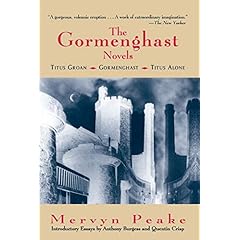
Dorrie said no. She didn’t think so. It wasn’t science fiction. She didn’t dislike science fiction. She had read some. She had checked some out from the library, Mervyn Peake and James Tiptree Jr. But Peake went mad and Tiptree was just a disillusioned CIA spy. It wasn’t what Dorrie did. Dorrie's book wasn't finished. It wasn't ready. It would never be ready.


I thought Peake was fantasy, one of the nuns said.

Dorrie explained, They’re in the same section in the library. Science fiction/fantasy.

The nuns called Ben.

The secretary came into the office and said, It’s a Dorrie problem.

Ben was exasperated. He had been writing legalese all morning and this afternoon had a meeting with a client. At night he had to play Clarence at rehearsal because Clarence had dropped out of the play. Clarence. In his spare time he was learning lines. Dorrie's book was getting on his nerves. Why the fuss? He had never heard anything so silly.

The very mention of his ex-’s name made him edgy. He saw her at rehearsals and she blended in with the others but she was bossier than he’d remembered. She refused to project. No, I see Queen Margaret as more realistic, more modern, she said. Like a CEO. What had happened? Dorrie had always been so meek. It was acting. Her father had been a soap opera actor. Dorrie had grown up in New York, acting in plays. Then her family had moved. No more acting.

And everybody seemed to know about Dorrie. They knew about the problem. They knew about the book. They discussed it at Rose’s office. Would Dorrie publish the book?

Ben had read the opening. “Blue willow china mouse on the floor, green CD. Fingernail clippers on coaster. Bill Clinton walked into a room and said, ‘I’m honored to be here.’”

Then the crazy action began. Clinton was kidnapped. He smoked cigars. Danielle, a lost soul, had a guidebook that eventually saved her and Clinton. She roamed the earth, grieving Psyche, not giving Clinton a thought, traveling from place to place, absent-mindedly reading articles about Clinton in different languages when she wasn’t looking for her own lost boyfriend. Then she found Clinton. She got him out of there. He went home to Hillary.

Part of the book was in Russian. With a translation. The editors didn’t like that.

Dorrie didn’t care.

Ben studied the contract. He had managed to negotiate for a little more money. If Dorrie would write two more books, books about anything, men in the moon, who cared, they would publish them and pay her. Then she could live in a better apartment and he could forget about her for two years.

Now Dorrie was saying she didn’t want to publish the thing.

The agent called Ben. What's wrong? Dorrie says no. But they’re very interested. They like the satire. They’re willing to offer her more money.

Somehow that irritated him. I’ll get back to you. I’m concerned, of course, but I’m busy at the moment.

Was he concerned? No. But his wife Rose told him to be concerned. Rose told him Dorrie mattered. Rose was his conscience.

At the end of the day Ben found Dorrie in the nuns’ kitchen. The nuns had taken her home. She had taken a shower at their apartment because she was going through a phase where she showered several times a day and changed her clothes constantly. She wore a nun’s baggy skirt and blouse. She was reading poetry while the nuns watched TV.

Dorrie, are you going to sell the book?

No. I showed it to the university writer on a whim.

They’ll pay more money.

Why?

They think they can sell it. Some idiot thinks you're Terry Pratchett.

Who's Terry Pratchett? Never mind. I don’t want to sell it.

You know what. You are seriously disturbed.

I might join the nunnery, Dorrie said. Or move in with you and Rose.

What?

Rose said I could have the basement. She likes my writing.

Monday, October 09, 2006

Ghost Library


Rose went to the library.

The librarians sat bored, doing something on their computers. Ghost searches. Searches for facts about nothing important. Halloween. That would be her guess. They were unimaginative, unable to create a display that wasn’t seasonal.

A few people sat in the popular cafe, but the library had few patrons. Rose seldom came here. A ghost library. There was no real reason to walk here when she had what she wanted at home. But she wanted to find LADY AUDLEY’S SECRET.

Bradbury, Byatt. Braddon wasn’t there. What? She looked it up on the computer. No entry.

What happened to LADY AUDLEY’S SECRET? she asked the librarian. I’ve checked it out several times.

Well, we discard most books that are over seven years old, said the new librarian.

Do you mean to say you discarded LADY AUDLEY’S SECRET? People do enjoy reading it, you know. And some say it was the first Victorian novel of sensation.

If it’s not in the computer, we did, the librarian said.

Rose was annoyed.

Nobody. Nobody read. Or the librarians thought that. The librarians conspired to throw out the books. This book should be in a city library. Some credited Mary Braddon with inventing the sensation novel. Everyone in the nineteenth century had read her: Dickens, Charles Reade, Robert Louis Stevenson, Thackeray, George Moore, and Wilkie Collins. Collins: her own favorite author. Braddon had obviously influenced Wilkie Collins.

Rose had always believed a librarian was a curator of books.

Obviously she had been wrong.

I’ve got an idea, Rose said. You should include LADY AUDLEY’S SECRET in your Banned Books display. Now that you’ve banned it.

If you’d like to fill out a complaint form...

I would.

Rose filled out the complaint form.

She had heard complaints about the library from friends. Dorrie couldn't find the old reference books she loved and her boss Kent had said the library was throwing out classics. He had gone looking for Marvin Bell’s NIGHTWORKS: POEMS 1962-2000. He had talked to the librarian because he thought it was stolen. She told him, Alas, the patrons hadn’t been interested. It was a small press book.

They had stopped ordering small press books. They had discarded it.
.
Rose hadn’t paid much attention. She knew somebody who had the book, so she brought it to the office. Kent liked Bell’s poem “The Self and the Mulberry.” He admired the anaphora and the anthropomorphization of nature.

“I wanted to see the self, so I looked at the mulberry.
It had no trouble accepting its limits,
yet defining and redefining a small area
so taht any shape was possible, any movement.
It stayed put, but was part of the air.
I wanted to learn to be there and not there
like the continually changing, slightly moving
mulberry, wild cherry and particularly the willow.
Like the willow, I tried to weep without tears.
Like the cherry tree, I tried to be sturdy and productive.
Like the mulberry, I tried to keep moving.
I coouldn't cry right, couldn't stay or go.
I kept losing parts of myself like a soft maple.
I felt ill like the elm. That was the end
of looking in nature to find a natural self.
Let nature think itself not manly enough!
Let nature wonder at the mystery of laughter.
Let nature hypothesize man's indifference to it.
Let nature take a turn at saying what love is.”

Rose also understood the poem. She had to wonder about a library that discarded this poetry. She hadn’t paid much attention to the complaints about the library before. But now she was here and...

She was beginning to understand Kent. She liked him. He was concerned about the library. And the job was better now. She was busy supervising several projects as well as working on what they called Japanese Computers (the real name was unpronounceable). She couldn’t leave the job. Really couldn’t. In the morning’s newspaper the front-page story was that the chief architect at Troy-Ridding had been arrested for dealing marijuana in his suburb.

He had everything. The best architectural contracts, a big house, money. All thrown away.

Kent said wearily. It’s so ridiculous. He should have known he’d get caught.

It is surprising.

He had a plantation in his house. Apparently

Yeah, I read about it.

I’ve had several calls from his architects looking for work.

Will he have to close down?

Well, there’s still Ridding.

Sunday, October 08, 2006

Dorrie

Dorrie, at home. Obsessing about the sale of her novel, distracted by the state of her slum apartment building. She had found discarded needles in the hall again. Someone would have to pick them up. She would have to don thick gardening gloves and dispose of them later. No one else would bother. She didn’t object to heroin addicts in theory. She preferred them to the crack and cocaine addicts. The heroin addicts weren’t violent, in her experience. Not like the crack and cocaine people. She had been raped by a crack addict on the streets of Seattle. Terrifying. She hadn’t reported it. Who would have believed her? She had gone to the bus station and washed up, spent the night in a chair. The next night she had tried to get into a shelter. There was no room. Dorrie had cried. The director paid little attention. She was used to crying.

You have to get into a program, she had said. Are you an alcoholic? On drugs?

No, said Dorrie. I lived in a box. On X Street. I can’t go back there. Someone...beat me up.

The director sighed. Yes, you’re bruised. Is anything broken? Do you need a ride to the emergency room? Do you know what day it is? Do you know who the president is?

The emergency room. Ben, who had worked as an emergency room doc before he went to law school. Dorrie wept in earnest, thinking of Ben, whom she could call in an emergency if only she hadn’t left.

My ex-husband is an emergency-room doctor, she said.

What’s his name?

He doesn’t live here.

They believed she was crazy. She was like a nun who had taken a vow of silence. But at the hospital they got her to name a next-of-kin. Shortly thereafter her sister flew to Seattle and brought her home.

The heroin addict next door sometimes invited Dorrie to dinner. Or to spend the night in a sleeping bag on the floor when something bad was going down on the street. Trina was a civil person who spent her days drugged-out, occasionally leaving the apartment to do research for her doctoral dissertation. Trina always knew what was happening because of her drug dealer and looked out for Dorrie when gang brawls were going on outside . They sat in the dark and listened to soft music and discussed Anna Kavan, a heroin addict who legally renamed herself after a character in her own novels. Dorrie had read Kavan’s books at the Seattle library when she was living on the streets. Anna Kavan!

Now Dorrie, too, was a novelist. Crazy! How had this happened? More upset than flattered by the idea of her surreal Djuna Barnes-like novel being published as science fiction, Dorrie tried to cry. No tears would fall. It was the medication. The doctor had explained it to her. The antidepressants numbed feelings. Many of his patients complained. But it was that or depression.

She went into the hall to pick up needles. She muttered, My horse, my horse, my kingdom for a horse. Disgusting. Who was shooting up in here? She couldn’t believe it was the residents.

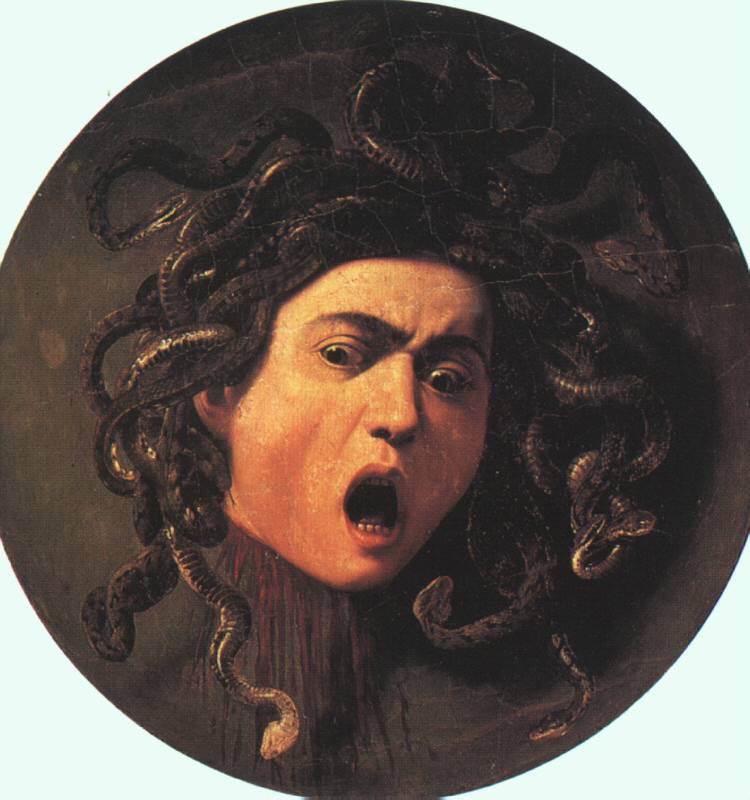
She would not approve the cover illustration. Ugh! A miniskirted woman with snakes in her hair. Nothing to do with her book! She had patiently explained to the agent that a basilisk would be more tasteful and intriguing. The bored agent said he would pass it on.

It’s a first novel, he said. It’s a chance.

Yes, no, maybe, but...she had never sold out. But how about now? Could she really write science fiction? Was her Djuna Barnes-like experimental novel really SF? Speculative fiction. That was the phrase the agent had started using to placate her.

Was it time to sell? She had tumbled like dice down several classes since birth. A soap opera actor’s daughter, she now lived on welfare and disability. The apartment house was terrible. Even she knew that. Would a few thousand dollars more make a difference?

Saturday, October 07, 2006

Back


Back at the office, Kent gave Rose a box of truffles.

What’s the occasion?

You’re back. We missed you.

Kent kept little boxes of truffles in his office and ate one or two a day. It was a known fact that Kent loved truffles. He gave them to his employees at Christmas, small boxes made up at a local candy store. He spent a fortune. If he didn’t spend a fortune on truffles, he could give everyone a bonus. But they were touched. They liked Kent. He didn’t have to bother. Few employers did.

Rose preferred chocolate creams. She handed the box round to her colleagues. The secretary took several, though she didn’t like truffles. She wanted to gossip.

She said, By the way, did your friend really sell a book?

Yes, she did. It’s going to be published as a science fiction paperback. But that irritates her. It isn’t sci-fi, it’s surreal.

So what's the crisis?

Not really a crisis. But she isn’t sure she’ll let them publish it.

Strange, said the secretary.

You have to know her, Rose said.

I like science fiction, the frisbee golf guy said. By the way, you missed out.

On what?

The Anti-Nukes Architects protest. I brought you a T-shirt.

Rose looked at the T-shirt. It was a worn-out holey t-shirt with NO NUKES inscribed in felt-tip pen. Rose laughed. I’ll cherish this.

It was good to be back. She was surprisingly at home. She got into the rhythm of the dialogue. There was a pleasant atmosphere of camaraderie, slightly bruised by the secretary’s bitchiness. Rose felt that people had missed her. Terry, a self-described “full-time mom, part-time architect,” gave her one of those pink-ribbon things people wear in Breast Cancer Awareness Month. Leonard, an architect who had moved to their backwater town after marrying the mayor’s daughter, gave her a brochure about garden mazes. And everybody talked about Bill Buford’s cooking-show article in The New Yorker, because they often watched DVDs of Julia Child’s old “French Chef” shows during their coffee break.

Rose took a tupperware box of cookies out of her bag. Here, she said. Same old, same old. I baked them this morning.

God, we missed this, the frisbee guy said, grabbing a handful.

Rose caught up on correspondence and paperwork. So many e-mails, more e-mails than letters. The e-mail tone was puerile. Hey...Just wanted to... Where had this casual tone come from? When had professionals adopted graffiti? Her colleagues didn’t write like this. But what had happened to other business letters?

She heard the news when she came out to check the mail. Filing her nails and watching a TV show on her iPod, the secretary said, You won’t believe this. Rose sat down. She wanted not to believe. She wanted to file her nails in the front office and and watch TV on an iPod.

It seemed that three Japanese tourists had entered the office, wearing shorts, clutching museum brochures. They had come from sightseeing at the museum to their appointment. At first the secretary thought they were in the wrong place, but they were there to see Kent about a corporate headquarters blueprint. They were in the computer business in Japan, manufacturing something, and were opening an office here.

Yikes.

Very big news, said the secretary.

As Rose was returning to her office, Kent opened his door and asked her to join them. She sidled in, aware that she was wearing black Adidas with her dress. She tried to tuck her feet under the chair.

One of the men explained the situation. The businessmen wanted to locate their U.S. headquarters in a quiet city. New York was too expensive. So was Silicon Valley.

Well, this is the place then, Kent said. Real estate is inexpensive here.

And we like downtown, said one of the men. Central located.

It is very nice here, said Rose.

Kent said, Let's review the sites.

Rose flipped through her palm pilot files. There are several possibilities. How about the old March building? They’re relocating. The city wants to tear down the building.

The Japanese businessmen were enthusiastic and wanted to see the site.

Shall we go?

Kent and the businessmen got up. Rose rushed back to her office and exchanged her Adidas for flats. She grabbed her camera.

The businessmen smiled. We have cameras, too. Yours is unnecessary.

I’ll need photos for myself, Rose said. But I’ll give you copies, too. It’s what we do.

In front of the old March building, all three businessmen and Rose snapped pictures while Kent explained the city’s history, the history of the building, and the convenience of the location. They looked at several other sites, but the March building was the favorite.

This is exciting, said Kent at the end of the day after they left. Thank you, Rose. I appreciate your help. And I want you to know you’ll be working with me on the design.

Pleased, she smiled. Why had she been so unhappy? Working with Kent was fun and stimulating.

She had a revelation. She might stay at this job.

Friday, October 06, 2006

Science Fiction Inferno


Dorrie sold her novel.

No one encouraged her. No one even knew she had written it. In her bleak room with no furniture, she had filled notebook after notebook. She had given the manuscript to a writer at the university, not expecting him to show it to an agent. But success made her anxious. She focused on small details. The editor wanted to publish it as science fiction and change the title from DANIELLE'S INFERNO to THE DAMNED, 2010. The editor thought the cover illustration should portray a big-breasted woman in a miniskirt with snakes in her hair. Dorrie was offended.

Dorrie dropped in at Rose’s office and told the news to the secretary since Rose wasn't at work. The secretary, who didn’t know whether to humor this strange emaciated woman or call the cops, took a chance that Dorrie might really know Rose and telephoned Rose at home.

It was the last day before Rose went back to work. She hadn’t made up her mind whether to accept the new job. The phone rang. Ugh, thought Rose. But I can’t let it ring when I’m in back-to-work mode. When she picked up, the secretary said, Rose, do you know someone named Dorrie?

Yes.

She’s here. Shall I put her on the line?

Dorrie picked up the phone and blurted, I’m sorry to bother you but I need advice. Someone sent my novel to an agent and he’s sold it to a science fiction publishing company.

What? Slow down. What novel? Rose thought she had misunderstood or that Dorrie was ill again.

It’s an experimental novel. I didn’t mean it to be science fiction. I spend so much time in the waiting room at the doctor’s and social worker’s that I rewrote my poetry as a surreal novel. Then I met a guy at a university reading. He showed my manuscript to an agent. The agent sent me a three-book contract. I don’t really write science fiction.

Wait. This is too complicated. I’ll come pick you up.

Rose laughed when she got off the phone. Good God, Dorrie a writer? Unless she was making the whole thing up. Dorrie, the sweet, smart, sometimes psychotic, former homeless person who read a lot of poetry and had a photographic memory. Didn’t it figure that the veteran of the psych hospital scene would sell a book? She just hoped the publisher paid well. She wanted to see Dorrie get off Skid Row.

She walked over to the office. Dorrie, wearing a tea-colored sweatshirt and khakis with a ripped hem, sat on the curb outside the building. She stood up and waved some papers at her.

Look. My contract!

Rose looked at the cover letter. It was from Tor. She had heard of Tor. She was thrilled for Dorrie. She almost couldn’t believe it.

This is great. Let’s go out for lunch to celebrate.

Oh, I couldn’t eat.

Coffee then.

On a park bench? I don’t want anyone to hear. I don’t want anyone to know except you and Ben. I’m publishing it under a pseudonym. Maybe Margaret something, after Queen Margaret.

Dorrie, Rose said affectionately.

She grabbed two coffees at a coffeehouse and joined Dorrie on a bench.

I have a reason to celebrate too, she confided. I’ve been offered a job at another firm.

Congratulations! Dorrie’s face lit up.

I don’t know if I’ll take it, though, said Rose.

The two women laughed. It struck them as funny that they were so much alike when they seemed so different.

Here’s to success, said Dorrie.

Cheers, said Rose.

Thursday, October 05, 2006

Nomads and Rooksnest


The kitschy clock ticked on the wall. The bakelite clock, a gift from Ben’s parents, was so annoyingly loud that she finally had to unplug it and put it it the basement. It was one of those clocks shaped like a cat with a tail that moved. She had groaned when she opened the box. Why did they think we’d want this? We’d rather have a real cat.

Rose had an urge to go to the pound and adopt a cat, but she decided to stay home with Binkie. The scottie lay on the couch and snored. Snoring didn’t bother her. It was cute. Cute little dog sounds. She patted the dog. This is all I want to do for at least ten years, she thought. Hang out. Read liner notes and novels. I’ve worked how long? Twenty-five years? Another part of her chanted, I got the job, I got the job. I’m the best. They acknowledged my talent. Hurrah! But there were a few problems. They should have offered her a bigger salary.

She suspected that they had offered her the job because she was the cheapest candidate, because they could offer her a lower salary than a man. They had done their homework. They knew where she lived, who her husband was, the fact that she didn’t have children. They knew just what her expenses were. They even knew that she had sold ten of her paintings at a Shakespeare festival two years ago in a park outside the theater.

Maybe I’ll go into business for myself, she thought idly. She spent the afternoon designing a logo, a drawing of the famous wych-elm of E. M. Forster’s HOWARDS END, the tree in the yard of the house that symbolized the spirit of England.

Rose found her copy of the novel and flipped to one of the passages about architecture (marked with a post-it). This passage described Margaret Schlegel’s feelings about her London house, doomed to be torn down.

“...the house was suddenly ringed with pathos. It had seen so much happiness. Why had it to be swept away? In the streets of the city she noted for the first time the architecture of hurry, and heard the language of hurry on the mouths of its inhabitants--clipped words, formless sentences, potted expressions of approval or disgust. Month by month things were stepping livelier, but to what goal? The population still rose, but what was the quality of the men born? The particular millionaire who owned the freehold of Wickham Place, and desired to erect Babylonian flats upon it--what right had he to stir so large a portion of the quivering jelly?”

The upper-class characters in HOWARDS END lived in the same houses for most of their lives. Forster didn't think civilization became nomadic till the turn of the century with urbanization and motorcars. He disliked moving and based Howards End on Rooksnest, the house where he and his mother had lived in Hertsfordshire when he was a boy.

Rose decided she would design a housing development based on Rooksnest/Howards Ends. Maybe people would never leave...Ha ha. It would end nomadic civilization

When Binkie woke up, he barked and scrabbled at the patio door.

Do you see a squirrel?

Out in the yard she spotted a scraggly little cat. Oh, adorable. She took a dish of food out.

Do you have a home, little nomad? she crooned. Do you want me to design a house for you? The cat gobbled the food and purred.

When Ben came home he asked, Have you made up your mind about the job?

No. But come meet Nomad.

Wednesday, October 04, 2006

The Interview

Wearing an egg mask to lift her face before the interview, Rose listened to EXILE ON MAIN STREET. The CD, fallen behind the entertainment center under an old New York Times Magazine, might have been there for months. As she dusted and polished the tables and shelves, she pondered the tough bluesy lyrics. She was able to remember “Tumbling Dice.” Had it been a Top 40 hit? But “Torn and Frayed” and “Stop Breaking Down” might bode ill for her interview day. Her favorite song? “Shine a Light.” As the egg white dried on her face and the corners of her face lifted, she sat and studied the liner notes. There was a weird narrative in tiny print, a kind of silent-movie-style comic book with photos. The scene 1 caption read, “mick and the stones arrive in exile, met by an auntie or two.” Some aunties. Once she would have thought the whole thing sexist. Now she wasn’t sure. The comic book ended with a fall and a retirement joke and was followed by a page of Joan Crawford photos. What did it mean? Exile and Joan Crawford? Forever theater and exile on main street?

Doubtful. It probably meant...nothing.

Rose was nervous. She knew it was hopeless The interview was this afternoon. How would she present herself? She could no longer be the passionate architect whose work was untouched by the realities of employers. She hadn’t written her script yet. She was script-dependent because she had no small talk. She had the suit but lacked the conversation. She realized she would rather spend all day reading liner notes than write her interview script. She and Ben had a lot of CDs. Why had she never read liner notes before? Some of the classical music albums had 30-page booklets. You could read Leonard Bernstein’s biography (the authorized version). You could read about symphony movements in English, French, and German.

Aha. She would open with that. Liner notes. Yup. Just the thing to chat about.

So she sat down and wrote it out. She would control the interview. She also expressed an interest in the firm’s bid to design the Tokyo branch of a dot.com headquarters. Her design was flashy: arches, winding staircases, windowed galleries and balconies. Windmills for electricity in the garden.

She showered and put on her suit. Her nylons snagged on a splinter. Just what she needed. Maybe she would call and cancel the interview.

Are you old enough to go to an interview without having a nervous breakdown? Yes. To talk about your career as an architect? Yes. Have you won prizes both at college and during your career? Yes. Get your ass out there.

She rushed to a convenience store and pulled on the pantyhose in the restroom, then to the architects’ office.. She tap-taped into the lobby in high-heeled shoes and through the door with the frosted glass window into the oak-floored waiting room.

They kept her waiting forty-five minutes. She finished PEOPLE and then picked up THE ATLANTIC MONTHLY. The receptionist apologized. A big shot had swung in from out of town. Out of the blue.

After an hour and fifteen minutes she was ready to go home.

Finally two men hustled her into a conference room. She made chitchat and got them to laugh with her about the joy of liner notes.

I should have brought some to read while I waited, she said.

Then they got down to business.

Did she want the job? It would mean travel. It would mean increased responsibility. There was a university building they thought she’d be interested in. They named a figure. It seemed low to Rose.

She hadn’t counted on having to negotiate salary.

I’m very interested. But I’ll have to think about it. When do you need to know?

Next week.

She went home feeling vaguely depressed, undervalued, and upset. She kicked off her shoes and tossed a ball to Binkie.

Tuesday, October 03, 2006

Clothes


No, said Rose.

They all have jeans, said Ben. Everybody can wear jeans and Oxford shirts.

That is such a bad look. Nobody wants to look at actors in jeans. Unless they’re black jeans. What if the men wear black jeans and black Henley shirts? And the women black jeans and ballet tops?

What in hell is a ballet top?

Rose showed him a picture in a catalogue.

Sexy.

Well, if you’ve got it, flaunt it. The older actresses can wear something more modest. Turtlenecks.

Rose was nervous. She had clothes on the brain. She had shopped that afternoon and found something thrillingly Myrna Loyish, an interview suit, a brown glen plaid wool skirt with a jacket with three-quarters sleeves, high rounded collar, bias-cut pockets, and a belt. Very professional. None of that sex kitten look. Most of the suits were paired with low-cut babydoll blouses that seemed more appropriate for a call girl. Buying the right suit had taken her five minutes. There was so little that she liked. And she was a fast shopper. Then she had spent ten minutes chattering to a sales clerk about accessories. She longed for a quilted double-strapped handbag, a $40 knockoff of a Chanel bag she had seen in the New York Times. But, no, she couldn’t justify it. She couldn’t swing into the interview merrily with a red quilted bag. Alas, she needed something brown or black. She had several brown and black handbags at home. Every professional woman in the city had several brown and black handbags. She also had the right shoes, a pair of high heels pulled out of the closet only for job interviews. In the office she wore flats or black Adidas.

The play was only two months off. The play, the play. The play’s the thing. Ben cared only about the play. He listened to Richard recite his lines over the phone in his spare time.

That cute Bosnian accent, whispered Rose.

You flirt. Give me a cookie, Ben said. Rose handed him a chocolate chip cookie.

Rose had everyone’s measurements and ordered the clothes from an obscure retail catalogue. She chatted to a marketing person who agreed to give her a break on prices. She felt as though she had known this woman for years. Sometimes the woman had good suggestions for costumes. One year the actors had performed in long tunics over tights. That had been a low-budget year. Another year the look had been hoodies, commando hats, and cargo pants. The only time they had worn Renaissance costumes they’d borrowed them from performers at a Renaissance Fair and everyone had complained about the smell.

I’m never, ever, ever wearing a smelly velvet gown again, the lead actress had complained. I had the thing dry-cleaned and the underarms still reek.

This year it was win-win. Everyone could use a pair of black jeans and a Henley or a ballet top or a turtleneck. The actors got to keep the clothes. The months of work were otherwise unpaid.

They do it for the applause, Ben said.

No, said Rose. They do it for the clothes. The barista who’s my age requested a burgundy ballet top. Clearly she doesn’t realize how she’ll look beside the young.

Withered? Ben guessed.

Hush. We shan’t talk about it, Rose said, imitating Margaret in HOWARDS END. She had always wanted to be noble like Forster’s character but suspected she was more like Queen Margaret in RICHARD III.

And she didn’t want to think about withered.

Note: Above photo is of actress Myrna Loy. Wouldn't she have been a fine Queen Margaret?